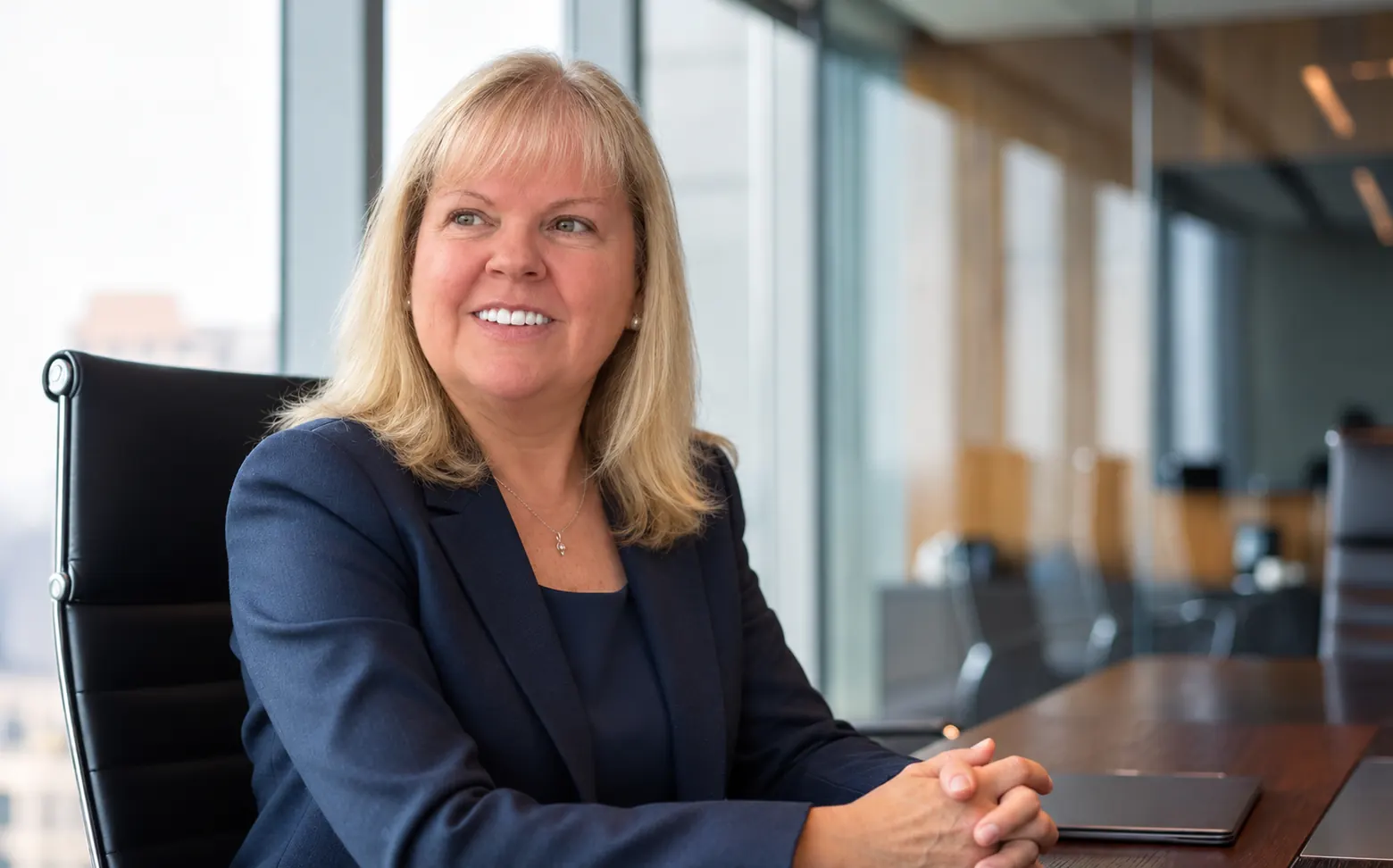
When I started Kewl Consulting on November 1, 2001, I had some pretty ambitious ideas about what I wanted to build. I had a vision for how a small company could operate like a much larger one, a belief that exceptional customer experiences would create a business built on referrals, and a conviction that technology could help people accomplish extraordinary things.
What I didn’t have was 25 years of experience running my own company.
That part came from the people I met, the conversations I had, the challenges I encountered, and the lessons I was willing to learn along the way.
As we celebrate Kewl’s 25th anniversary, I’ve been reflecting less on the milestone itself and more on what those years have taught me.
Some of my earliest beliefs have proven remarkably durable. Others have evolved in ways I couldn’t have imagined. And a few have taken almost 25 years for technology to catch up with them.
Here are some of the lessons that have stayed with me.
1. Systematize everything you can. But never lose the human touch.
In my first year of running Kewl, I read an article about the philosophy of CEOs leading billion-dollar corporations. One philosophy stood out: they all consistently and vigorously systematized and automated as much of their businesses as possible.
It made perfect sense to me, and I decided to follow that philosophy.
Twenty-five years later, I believe in it more strongly than ever.
Every business reaches points where the way things have always been done simply won’t support the next stage of growth. What worked when you had five customers doesn’t necessarily work when you have a hundred. What worked with a handful of employees may fall apart as the team grows.
I’ve learned that sustainable growth requires more than working harder or even working more efficiently. It requires building systems that allow the business to operate effectively at every new level.
The real opportunity is to continually ask: Is this the right thing to be doing? Is there a better way? Can we eliminate it, simplify it, systematize it, or automate it?
But here’s the other half of that lesson.
Not everything should be automated.
There are moments when a personal conversation, an unexpected gesture, a thoughtful question, or someone taking a little extra time makes all the difference.
Systematize the routine so you have more time for the remarkable.
That, to me, is the real purpose of automation. Not to remove people from the equation, but to give them more capacity to do the things that matter.
2. I wanted every person to operate like a team of 100. AI may finally make that possible.
When I started Kewl, I had an internal vision that probably sounded a little outrageous at the time.
I wanted every person in our company to have the capability and effectiveness of a team of 100.
Not because I expected people to work 100 times harder. Quite the opposite.
I wanted them to have systems, information, processes, and tools that multiplied what they could accomplish without multiplying their workload.
For years, we’ve worked toward that vision through CRM, process improvement, integration, and automation.
And now, with artificial intelligence, I can see possibilities that simply didn’t exist before.
For the first time, the idea of one person operating with the reach and capabilities of a much larger team doesn’t seem so far-fetched.
But I think there’s something important getting lost in all the excitement around AI.
AI doesn’t eliminate the need for human intelligence. In many ways, it makes good human judgment even more valuable.
You still need to know which questions to ask. You need enough understanding to recognize when an answer is wrong, incomplete, or misleading. You need the ability to connect information to context, weigh consequences, and make decisions.
And you need to know when the right answer is to put the technology aside and have a conversation with another human being.
I don’t see AI as replacing what makes people valuable. I see it as an extraordinary opportunity to amplify what capable, curious, thoughtful people can accomplish.
Twenty-five years after imagining a team of 100 behind every individual, I feel like we’re closer than ever.
And I find that incredibly exciting.
3. Customer advocates are earned through the experience you deliver.
I graduated with a marketing degree, so naturally I had plenty of ideas about how I was going to market and grow Kewl.
Then something unexpected happened.
Our customers started referring other customers.
And those customers referred more customers.
From our very first year, referrals became such a significant source of business that I barely had the opportunity to exercise all those advertising skills I’d spent years learning.
A little disappointing for the marketer in me!
But it taught me something far more valuable.
What people say about their experience with you carries a kind of trust that you cannot create simply by talking about yourself.
Our external vision from the beginning was: Deliver a Customer Experience that Creates Customer Advocates.
That wasn’t intended to be a slogan. That became a way of making decisions.
If something genuinely improves the customer experience, we should find a way to do it.
That thinking has shaped how we communicate, how we organize our work, how we deliver projects, and how we support customers.
It also means recognizing that the customer experience includes the difficult moments. No company gets everything right every time. What matters then is how you listen, take responsibility, and work toward a resolution.
A referral is someone putting their own credibility behind a recommendation.
I have never considered that a small thing. When a customer becomes an advocate, it is a privilege—and a responsibility to keep earning their confidence.
4. Stay Curious.
Over the years, people have often commented on how much wisdom I seem to have.
I certainly wasn’t born with it.
Whatever wisdom I’ve gained has come from paying attention.
I’ve learned to listen. To be curious. To ask questions. To observe what works and what doesn’t. And perhaps most importantly, to reflect on what other people’s experiences can teach me.
Some of the most valuable lessons I’ve learned haven’t come from books, courses, or business advisors.
They’ve come from conversations.
People share valuable lessons all the time, although they don’t necessarily present them that way. They tell you about something that frustrated them, a decision they regret, an approach that worked, or an experience that changed their thinking.
I don’t have to experience every difficulty personally to learn something from it. Someone else may already have lived through it and be generous enough to share what happened.
That is something I want to acknowledge as we celebrate this anniversary.
Not every meaningful business relationship results in a contract. Not every conversation leads to a project. And not every person who influences your journey realizes the impact they’ve had.
I’ve learned that if you approach conversations with genuine curiosity rather than simply trying to convince someone of your own point of view, you gain something far more valuable than agreement.
You gain perspective.
And perspective, accumulated over 25 years, has a way of turning into wisdom.
I’ve learned something from everyone I’ve encountered. The secret was being open to listen.
5. Focus on being effective.
Many people talk about efficiency: doing things faster, streamlining processes, and accomplishing more with less.
Those are worthwhile goals. But when I look at what has made the difference for Kewl over the past 25 years, it is effectiveness.
That distinction is a big part of who I am.
To me, efficiency is about how well you use your time and resources. Effectiveness is about whether you achieve the result that matters. You can be organized, productive, and very efficient—and still not accomplish what you actually needed to.
Before asking, “How can we do this faster?” I want to ask, “What are we trying to achieve, and is this the right way to get there?”
That thinking applies beyond technology. It influences how I make decisions, how I work with people, and where I choose to put my attention.
Efficiency still matters. Once we understand what needs to be achieved, we should make good use of our time and resources to achieve it.
But efficiency should serve effectiveness—not substitute for it.
I don’t measure success simply by how much we get done or how quickly we do it. I look at whether our work makes the difference it was supposed to make.
That is the focus I want Kewl to carry into its next 25 years.
6. My logic is not the only logic.
My father taught me something that has stayed with me: my logic isn’t necessarily another person’s logic. That doesn’t make me right or them wrong. Understanding where they are coming from is the key.
It sounds simple. Putting it into practice requires a willingness to question your own certainty.
When you have experience, and your approach has served you well, it is easy to mistake “this works for me” for “this is how it should be done.”
A friend helped me recognize that in working with my son. His approach didn’t have to look like mine to be effective. I could maintain expectations about the quality of the results and when they needed to be delivered without insisting that everything be done my way.
Clients have taught me this lesson, too. Requests that seemed odd at first have led to remarkable insights when I stayed curious long enough to understand the reasoning behind them.
A colleague once shared an experience with a client who mentioned having high employee turnover. My colleague assumed the objective was to reduce it. But the client actually wanted more turnover. From their perspective, that better suited their business than keeping people in those roles too long and burning them out.
The assumption about what needed to be fixed came before an understanding of what the client wanted to achieve.
Sometimes we have different ideas about how to reach the same result. Other times, we haven’t realized that we are aiming for different results altogether.
I’ve learned to pause before offering a solution or dismissing an unfamiliar approach. What matters to this person? What are they trying to accomplish? What do they understand about their situation that I don’t?
Being open doesn’t mean agreeing with everything. It means understanding the purpose and reasoning well enough to make a thoughtful judgment, rather than simply favouring what is familiar.
Some of my most valuable learning has come from discovering things I didn’t even know I didn’t know. Those discoveries would never have happened if I had been more interested in defending my logic than understanding someone else’s.
After 25 years, I still bring my experience to the conversation. But I try to leave room for someone else to change how I see it.
7. Be continuously grateful.
I have no idea exactly what the next 25 years will bring.
If the last 25 have taught me anything, it’s that trying to predict the future with certainty is probably not the best use of my time.
But I do know the principles I want to carry forward.
Keep learning. Keep listening. Keep questioning how things can be better. Use technology to expand what people can accomplish. Never forget the importance of human connection. And always remember that a great customer experience is built one interaction at a time.
When I started Kewl in 2001, I couldn’t have imagined all the people I would meet or all the things they would teach me.
And that brings me to the most important thing I want to say on our 25th anniversary.
Thank you.
Whether you’ve been a customer, a partner, a colleague, an employee, a mentor, a friend, a family member, or simply someone I’ve had the pleasure of exchanging ideas with, you’ve been part of this journey.
Some of you have been with us for decades. Others crossed our path only briefly.
Every relationship and conversation has had the potential to teach us something, challenge our thinking, or help us become better.
For that, I am genuinely grateful.
Here’s to the people who helped shape the first 25 years, and to all the conversations, discoveries, and possibilities still ahead.
With gratitude, Diana